

Straightening exercises – the number one exercise for a strong back and correct posture
14 April 2026
Deadlifts are one of the most complete and effective exercises for developing back muscles, and are rightly considered a staple of any serious training program. Whether you are just starting out at the gym or already have experience with weight training, deadlifts should be a central part of your exercise routine.
We will try to present everything you need to know about this fundamental movement, its remarkable benefits, and the correct techniques for performing it, so that you can adopt it with confidence and without risk to your health.
What are deadlifts and why are they so important?
Deadlifts are compound exercises that train multiple muscle groups simultaneously. The movement consists of lifting a weight from the ground to hip level while keeping the back straight, using only the strength of the legs and back. The apparent simplicity of this exercise hides a remarkable biomechanical complexity that engages almost every major muscle in the body.
The popularity of deadlifts among competitive athletes, bodybuilders, and fitness enthusiasts is no coincidence. This exercise develops functional strength—the type of strength we use in everyday life when lifting heavy objects, bending over, or performing various compound movements. Unlike traditional isolation exercises that target a single muscle, deadlifts train the entire body, simultaneously engaging multiple muscle groups and joints.
The major benefits of deadlifts
One of the most important benefits of deadlifts is the massive development of the lower and upper back muscles. The erector spinae muscles (located along and on both sides of the spine), the trapezius muscles, the latissimus dorsi, and the rhomboids are heavily engaged during the exercise. The muscle development resulting from back extensions is not limited to aesthetic improvement—a strong back is the foundation of correct posture and a healthy spine.
Straightening exercises contribute significantly to improving body posture. In the modern era, where many of us spend hours hunched over desks and staring at screens, the back muscles tend to weaken, while the chest muscles contract. Regular practice of back extensions counteracts these muscular imbalances, pulling the shoulders back and keeping the spine in its natural alignment.
Another essential benefit is increased overall body strength. Deadlifts are recognized as one of the three fundamental exercises in powerlifting, along with squats and bench presses, precisely because of their ability to develop raw strength. When you lift a heavy weight off the ground, your entire body must work in sync—from the leg muscles that initiate the movement and the core muscles that stabilize the weight, to the arm muscles that hold it.
Deadlifts have a powerful anabolic effect on the entire body. As an extremely demanding compound exercise, they stimulate the production of anabolic hormones such as testosterone and growth hormone. This not only accelerates muscle development in the areas directly trained, but also contributes to muscle hypertrophy throughout the entire body. However, in order to take full advantage of this anabolic effect, it is essential to provide the body with the necessary resources. High-quality nutrients, such as essential amino acids and fast-absorbing proteins, are key to supporting optimal hormone production and immediately initiating the process of protein synthesis.
Equally important is the fact that push-ups, by simultaneously activating several muscle groups—back, legs, abdomen, arms—cause a significant increase in metabolic rate. In simple terms, the body continues to burn calories not only during training, but also for hours after it is completed, because the greater the active muscle mass, the more energy the body burns even at rest. It is a great exercise for burning fat and improving body structure, increasing calorie consumption from adipose tissue, and stabilizing blood sugar and regulating appetite due to better utilization of glucose at the cellular level.
The effectiveness of the exercise depends not only on the technique of execution, but also on nutritional support. Because squats intensely stimulate the muscles and hormonal system, it is essential to provide the body with the resources it needs to take full advantage of this anabolic effect. High-quality nutrients, such as essential amino acids and fast-absorbing proteins, are key to supporting optimal hormone production and immediately initiating the process of protein synthesis.
Barbell deadlifts – the classic method and its variations
Barbell deadlifts are the traditional and most popular version of this exercise. The Olympic bar provides stability and allows for the use of heavy weights, making it ideal for developing maximum strength. The correct technique starts with positioning your feet shoulder-width apart, toes slightly turned outwards. The bar should be above the middle of your foot, about two centimeters from your ankle.
When performing barbell curls, there are several ways to grip the bar. The classic grip (both palms facing the body) is the most natural and suitable for beginners. The mixed grip (one palm facing the body, one facing outwards) allows for heavier weights to be lifted and is preferred by powerlifters. The hook grip used by Olympic weightlifters, in which the thumb is hooked around the bar between the index and middle fingers, offers maximum safety but requires a period of adaptation.
Apart from the traditional grip, there are other variations of barbell deadlifts, each with its own advantages. Sumo squats involve a wider stance and a narrower grip, shifting the focus to the adductor muscles and quadriceps. Romanian squats keep the legs almost straight and emphasize the hamstrings and glutes.
Dumbbell curls – flexibility and safety
Dumbbell rows are an excellent alternative to barbell rows, being particularly useful for beginners or those who want to work on correcting muscle imbalances. Dumbbells allow for a more natural range of motion and reduce pressure on the spine, as the weight is distributed on both sides of the body.
One of the main advantages of dumbbell rows is that each side of the body has to work independently, preventing the dominant side from compensating for the weaker side. This helps develop balanced strength and prevent muscle imbalances that can lead to long-term injuries.
Dumbbell curls are also more accessible for people with limited mobility or flexibility. Because dumbbells do not have to pass below the knees like a barbell, they allow for a slightly modified technique that may be more comfortable for certain body types. This option is ideal for home workouts, as it does not require specialized equipment such as Olympic barbell racks.
Proper technique for maximum safety
Whether you choose barbell or dumbbell deadlifts, proper technique is absolutely essential to prevent injury and maximize the benefits of the exercise. Before you start lifting, make sure your back is straight or slightly arched in the lower back—not rounded. Your gaze should be forward or slightly upward, not downward, as this helps keep your spine aligned.
The movement begins by pushing your feet into the floor, not by pulling with your back. You need to imagine that you are pushing the floor away from you, not lifting the weight off the floor. The bar or dumbbells should remain as close to your body as possible throughout the entire movement—almost rubbing your shins during the ascent. This optimal trajectory reduces the moment of force and protects your lower back.
Breathing plays a crucial role in the safe execution of deadlifts. Before you start lifting, take a deep breath and hold the air in your chest, creating what is called “intra-abdominal pressure.” This pressure stabilizes the spine like a natural corset. Only release the air after you have safely lowered the weight back to the floor.
Common mistakes and how to avoid them
One of the most common mistakes in performing pull-ups is rounding the back. When the back is rounded, the intervertebral discs are subjected to extreme pressure and the risk of disc herniation increases dramatically. If you find that you cannot keep your back straight at a certain weight, it means that it is too heavy for your current strength level.
Another common mistake is bending the arms during the lift. The arms should remain completely straight throughout the exercise, acting as ropes connecting the weight to the body. Trying to pull with your biceps can lead to muscle or tendon tears. The force should come from your legs and hips, not your arms.
Many amateurs make the mistake of starting the movement with their hips too low or too high. The optimal hip position varies depending on each person’s body proportions, but a general rule is that the hips should be at a height that allows the back to remain straight when initiating the lift. If the hips are too low, the movement turns into a squat; if they are too high, excessive pressure is placed on the back.
Integrating stretches into your training program
Stretches should be done at the beginning of your training session, when your energy and concentration are at their peak. As stretching is an extremely demanding exercise for the nervous and muscular systems, doing it when you are already tired increases the risk of injury and reduces the effectiveness of your training.
For beginners, it is recommended to practice corrections once a week, especially under the supervision of a qualified trainer who can correct your technique. As your technique becomes more solid and your body adapts to the demands, the frequency can be increased to twice a week. Advanced athletes can integrate different variations of squats into several training days, alternating between sessions with heavy weights and low volume and sessions with moderate weights and higher volume.
In terms of training volume, beginners should focus on sets of 5-8 reps with moderate weights, prioritizing technique refinement. Intermediate and advanced athletes can experiment with different rep schemes: heavy sets of 1-5 reps for maximum strength development, sets of 6-10 reps for muscle hypertrophy, or even sets of 12-15 reps with lighter weights for muscle endurance.
Useful equipment and accessories
Although deadlifts can be performed with just a barbell or dumbbells, certain accessories can improve performance and safety. A lifting belt can be useful when working with very heavy weights, providing a point of support against which to push your abdomen to create intra-abdominal pressure. However, it is important not to become dependent on the belt and to use it only for the heaviest sets.
Footwear plays an important role in stability during straightening. Shoes with flat, rigid soles, such as those designed for powerlifting or even Converse-type sneakers, provide a stable base and allow for optimal transfer of force from the feet to the floor. Shoes with thick, soft soles, such as running shoes, are completely unsuitable for squats, creating instability and reducing the effectiveness of the movement.
Supporting recovery should not be neglected
As an exercise that engages the entire central nervous system, recovery after a squat session is just as important as the workout itself. To reduce muscle soreness the next day and promote muscle repair and growth, ensuring adequate intake of key minerals (such as magnesium) and natural anti-inflammatory compounds is vital. A smart supplementation strategy makes the difference between rapid progress and stagnation caused by insufficient recovery.
Final conclusions and recommendations
Deadlifts, both barbell and dumbbell, are one of the most valuable exercises you can include in your training program. Their benefits extend beyond the gym, improving functional strength, posture, and overall quality of life. A strong back means less pain, better posture, and increased confidence in your body’s physical abilities.
However, it is essential to approach this exercise with respect and patience. Proper technique should always be the number one priority, and weight progression should be gradual and controlled. Don’t compare yourself to others in the gym—every body has its own proportions and strengths. Focus on your personal progress and on constantly improving your technique.
If you are just starting out, don’t hesitate to ask a qualified personal trainer for help in learning the correct technique. Investing in learning the correct technique from the outset will pay off in the long run through sustainable progress and fewer injuries. Regardless of your goals—whether you want to build muscle mass, become stronger, or simply improve your overall health—push-ups can and should be part of your exercise arsenal. Start slowly, work consistently, and the results will soon follow.
Do you like pull-ups and already have a solid technique? Share your experience in the comments, and if you found the article interesting, don’t hesitate to share it with your friends.
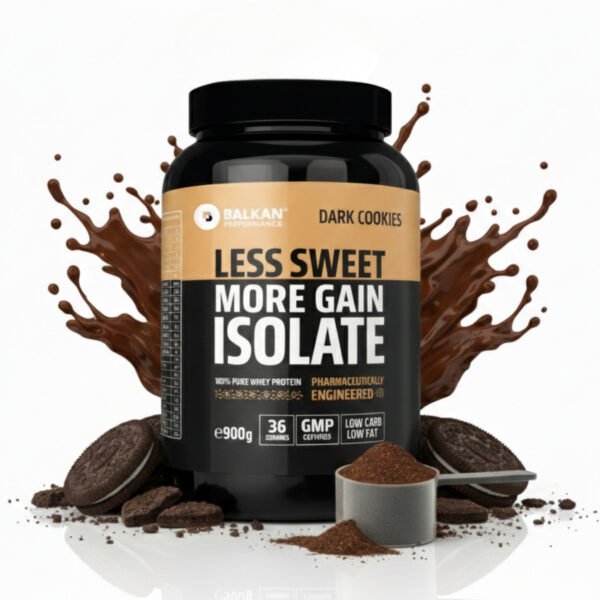
Recommended product
Recent articles